
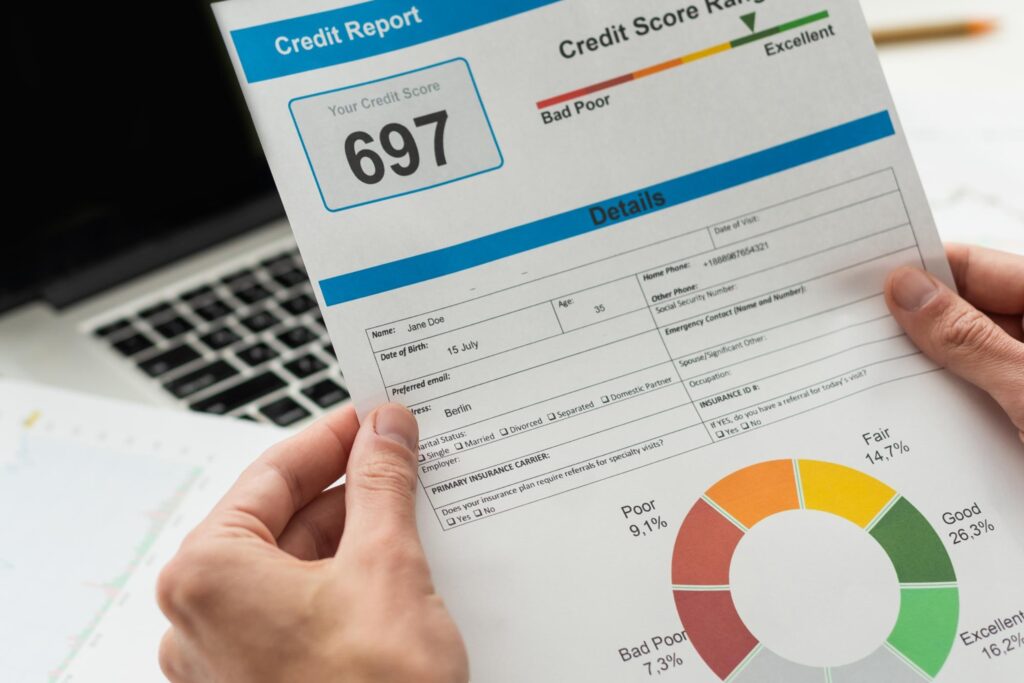
Many beginners understand that financial activity is recorded somewhere, yet few know how reporting agencies actually track and organize that information. This lack of understanding often leads to confusion about why certain actions appear to matter more than others or why changes do not seem immediate. Reporting agencies play a central role in transforming individual financial behavior into structured records that lenders later review when making decisions.
Understanding how these agencies collect, update, and present information provides clarity during early stages of participation. Activity is not recorded randomly, nor is it interpreted instantly. Instead, agencies follow defined reporting cycles and standardized frameworks designed to reflect patterns over time. When beginners grasp how these systems operate, they gain perspective on why consistency matters and why patience is often required. Education around reporting processes replaces uncertainty with awareness, allowing individuals to align their behavior with how information is actually recorded and evaluated across financial systems.
The Purpose of Reporting Agencies
Reporting agencies exist to collect and organize financial activity in a standardized format. Their role is not to approve or deny applications, but to present information accurately so lenders can assess risk consistently.
These agencies act as intermediaries between consumers and institutions. They gather data reported by lenders and organize it into profiles that reflect activity over time. This structure ensures that evaluations are based on documented patterns rather than isolated events.
Understanding this purpose helps beginners recognize that reporting agencies do not judge behavior. They record it, allowing institutions to interpret the information within established frameworks.
How Activity Is Collected and Updated
Activity is reported to agencies by lenders on a recurring basis, often monthly. This reporting schedule means that changes do not appear immediately, even when actions occur promptly. Updates reflect cycles rather than real-time activity.
Because of this structure, consistency becomes more important than immediacy. Agencies track trends across multiple reporting periods, allowing patterns to emerge gradually. Single actions rarely define outcomes on their own.
Recognizing how updates occur helps beginners manage expectations. Progress is measured over time, reinforcing the importance of steady behavior rather than short-term reactions.
Why Timing Influences Recorded Information
Timing affects how activity appears within reports. Payments made before reporting cutoffs may be reflected differently than those made afterward. Understanding this relationship helps individuals avoid misinterpreting outcomes.
Late actions may remain visible longer than expected due to reporting delays. Conversely, positive behavior may take time to appear. These timing dynamics explain why progress often feels slower than anticipated. see also: Building Credit from Scratch: A Complete UK Guide.
Education around reporting timelines allows beginners to align actions with system mechanics, reducing confusion and unnecessary concern.
Patterns Matter More Than Single Events
Reporting agencies emphasize patterns rather than isolated moments. Regular behavior over multiple periods carries more weight than individual fluctuations. This approach helps lenders assess reliability.
Occasional deviations may occur without defining long-term outcomes. However, repeated behavior establishes a narrative that agencies reflect consistently. Over time, these patterns become clearer. learn more about fluid credit card review: for no credit history.
Understanding this emphasis encourages patience and consistency. Beginners benefit from focusing on sustainable habits rather than reacting to short-term changes.
How Reports Influence Lender Decisions
Lenders rely on reports as standardized references. These documents provide insight into activity history, allowing institutions to evaluate risk uniformly. Reports do not dictate decisions but inform them.
Each lender applies its own criteria, interpreting reports within specific guidelines. This explains why outcomes vary even when reports remain the same.
Recognizing this relationship helps beginners understand that reports are tools, not verdicts. Education helps bridge the gap between recorded information and application outcomes. learn more about vanquis bank card review: is it good for beginners.
Common Misunderstandings About Reporting
Many beginners assume reporting agencies monitor behavior continuously or that changes appear instantly. In reality, reporting follows structured cycles designed for accuracy rather than speed.
Others believe agencies influence decisions directly. Understanding that agencies only report information clarifies their role and reduces misplaced concern. learn more about common misunderstandings about early financial rec.
Clear explanations correct these misunderstandings, allowing individuals to engage with systems confidently rather than cautiously.
Why Education Around Reporting Is Essential
Without understanding reporting processes, beginners may misinterpret outcomes or underestimate the value of consistency. Education provides context that connects actions with recorded results.
Resources focused on credit reporting basics help individuals navigate early participation thoughtfully. Knowledge replaces uncertainty, supporting informed behavior.
Educational clarity transforms reporting systems from opaque mechanisms into understandable frameworks that support learning and progress.
Conclusion (155 words, single paragraph)
Reporting agencies play a foundational role in how financial activity is recorded and interpreted over time. By collecting information through standardized cycles, they transform individual behavior into structured records that lenders use to assess risk and responsibility. Understanding how these systems operate helps beginners align expectations with reality, reducing confusion when changes do not appear immediately. Patterns, timing, and consistency matter more than isolated actions, reinforcing the importance of sustainable habits during early stages. Education provides the context needed to interpret reports accurately and engage with financial systems confidently. Reliable resources such as the No Credit History Cards website support this learning by explaining how recorded activity influences evaluations without exaggeration or pressure. When individuals understand how reporting works and why it matters, they are better equipped to participate thoughtfully, knowing that steady behavior over time shapes meaningful outcomes.